Ms. CEO’s Baby Daddy Is the Merchant of Death
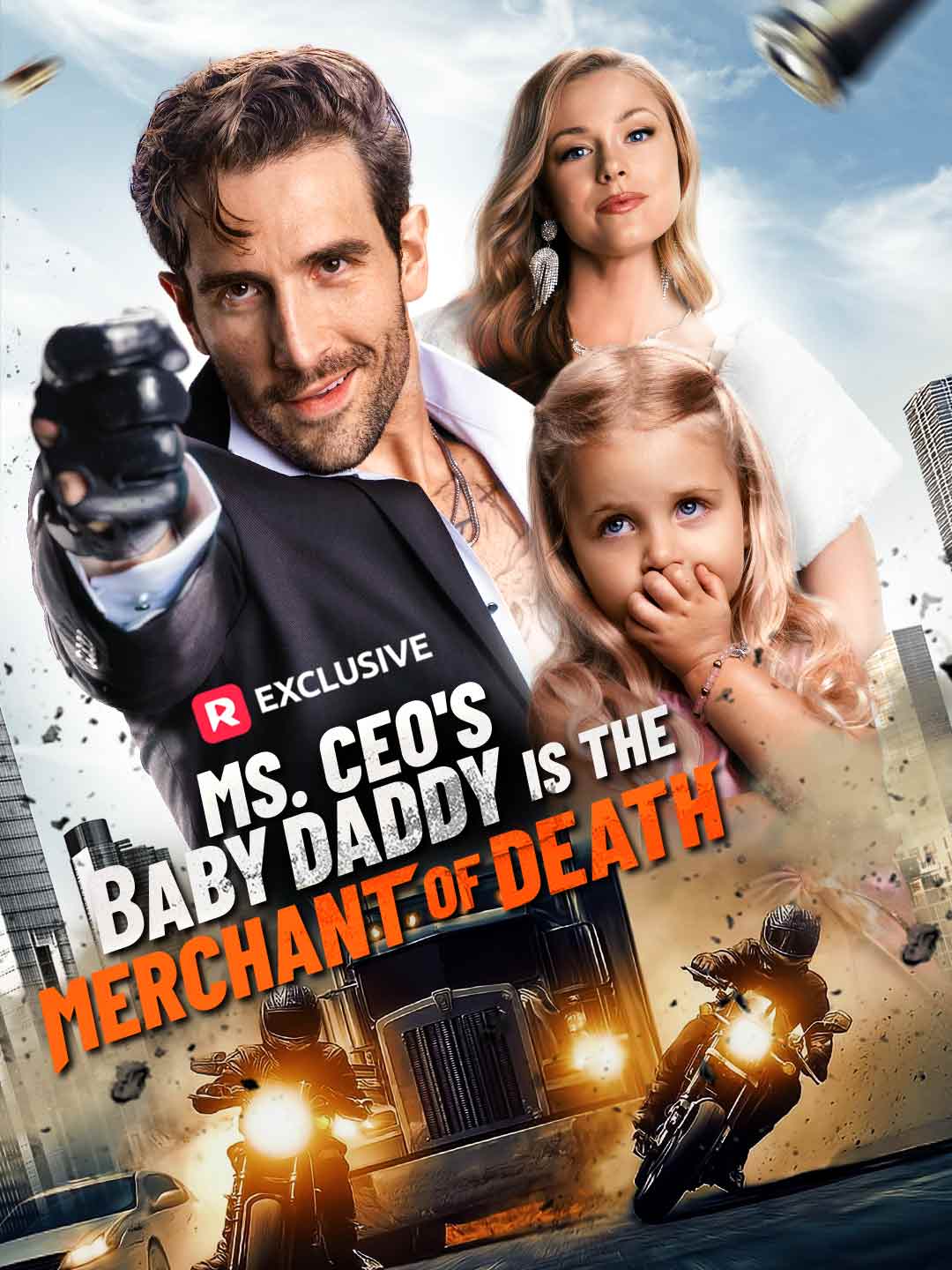
In Ms. CEO’s Baby Daddy Is the Merchant of Death movie, Connor Reed, the most powerful arms dealer in the world, saves a Charlotte Hayes and spends the night with her while he is undercover. Four years later, while still hiding, Charlotte shows up… with their child. Now Connor must keep both of them safe… without revealing his true identity.
DORAMAQUEST.COM Review
Okay, buckle up, buttercups, because "Ms. CEO's Baby Daddy Is the Merchant of Death" is the kind of gloriously bonkers premise that had me hitting "play" faster than you can say "international arms treaty violation." And you know what? It mostly delivers.
Charlotte Hayes, a driven businesswoman, is the "Ms. CEO" of the title, and she's got a secret: a precocious four-year-old with a whole lot of opinions and a distinct resemblance to a brooding stranger she met years ago. Enter Connor Reed, a man living under a carefully constructed alias, who just so happens to be... well, the "Merchant of Death." The setup is pure telenovela gold, and the writers clearly know it, leaning into the inherent absurdity with a wink and a nudge.
What surprised me, though, was the genuine heart at the core of all the explosions and double-crosses. Connor, despite his profession, isn't portrayed as a mustache-twirling villain. He's a complex character grappling with the consequences of his choices, and his burgeoning paternal instincts are surprisingly touching. The chemistry between him and Charlotte is undeniable, even if their initial encounter was, shall we say, less than ideal. You genuinely root for them to find a way to make this ridiculously improbable family work.
The action sequences are slick and well-choreographed, offering enough thrills to keep the plot moving at a brisk pace. The supporting characters, while somewhat archetypal (the loyal but exasperated right-hand man, the ruthless rival), are still entertaining to watch.
However, the show isn't without its flaws. The plot occasionally veers into the overly convoluted, and some of the dialogue is a bit clunky. The "Merchant of Death" angle could have been explored with a bit more nuance, rather than using it as a purely plot-device.
Overall, "Ms. CEO's Baby Daddy Is the Merchant of Death" is a highly entertaining, if slightly ridiculous, watch. If you're looking for a show that doesn't take itself too seriously, and offers a healthy dose of romance, action, and improbable family dynamics, you could do a lot worse. Just suspend your disbelief, grab some popcorn, and enjoy the ride.