










Where to watch


DORAMAQUEST.COM Review
To approach Steven Spielberg’s *Schindler’s List* is to confront a cinematic titan, a film that dares to gaze into the abyss of human cruelty and, remarkably, finds a glimmer of redemptive light. Its almost three-and-a-half-hour runtime is not a self-indulgent sprawl but a necessary immersion, a pilgrimage through the hellscape of the Holocaust that demands our full attention.
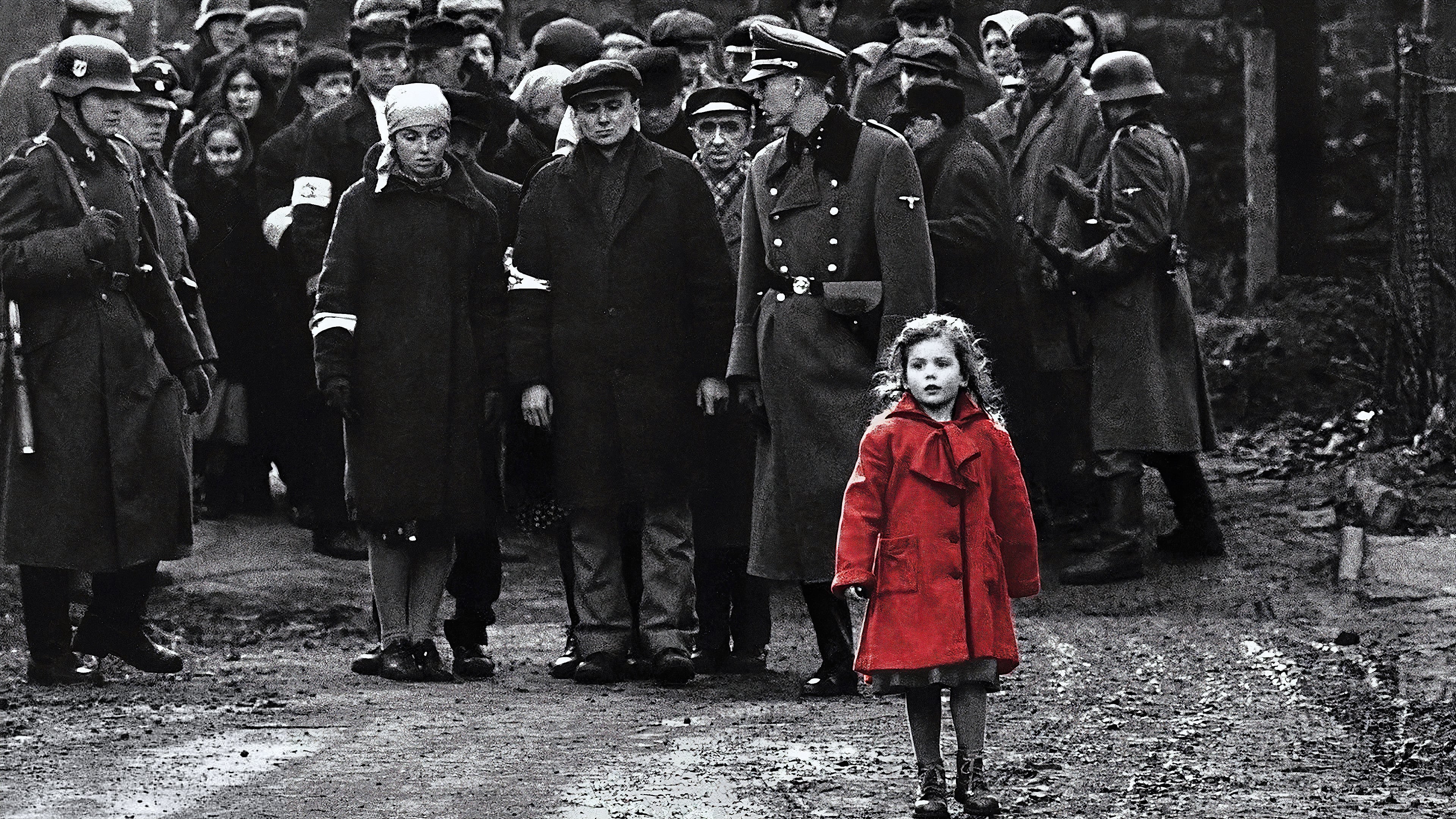
Spielberg, often lauded for his crowd-pleasing blockbusters, here reveals a maturity and restraint that elevates the material beyond mere historical retelling. The choice of black and white cinematography is not a gimmick; it’s a profound artistic statement, stripping away the comfort of color to force a direct engagement with the stark reality of the atrocities. The single splash of red – the coat of a little girl – is a masterstroke, a searing visual metaphor for lost innocence and the indelible mark of violence, a detail that resonates long after the credits roll. It’s a moment of piercing clarity amidst the monochrome horror, forcing the viewer to confront the individual tragedy within the unimaginable scale.
Liam Neeson’s portrayal of Oskar Schindler is a nuanced marvel. He begins as an opportunistic, morally ambiguous industrialist, his charm a weapon. Yet, Neeson subtly charts Schindler’s moral awakening, a transformation that feels earned rather than simply declared by the script. Ralph Fiennes as Amon Goeth, however, is where the film truly chills. Fiennes doesn't just play a villain; he embodies pure, unadulterated evil, a chilling banality that makes his acts all the more terrifying. His casual sadism, the almost bored expression as he picks off prisoners from his balcony, is a stark, uncomfortable reminder of humanity's capacity for depravity.
Where the film occasionally falters, perhaps, is in its narrative neatness. While the story is undeniably true and profoundly moving, there are moments where the sheer scale of the horror is almost too polished, too perfectly framed within the conventional cinematic arc of redemption. The ending, while deeply emotional, risks simplifying the incomprehensible complexities of survival and trauma into a more digestible, albeit potent, message of hope. Yet, this is a minor quibble in a film that, for the most part, transcends storytelling to become a vital historical document and a powerful work of art. *Schindler’s List* isn't just about what happened; it’s about what it means to be human in the face of the inhuman. It’s a film that demands to be seen, studied, and remembered.