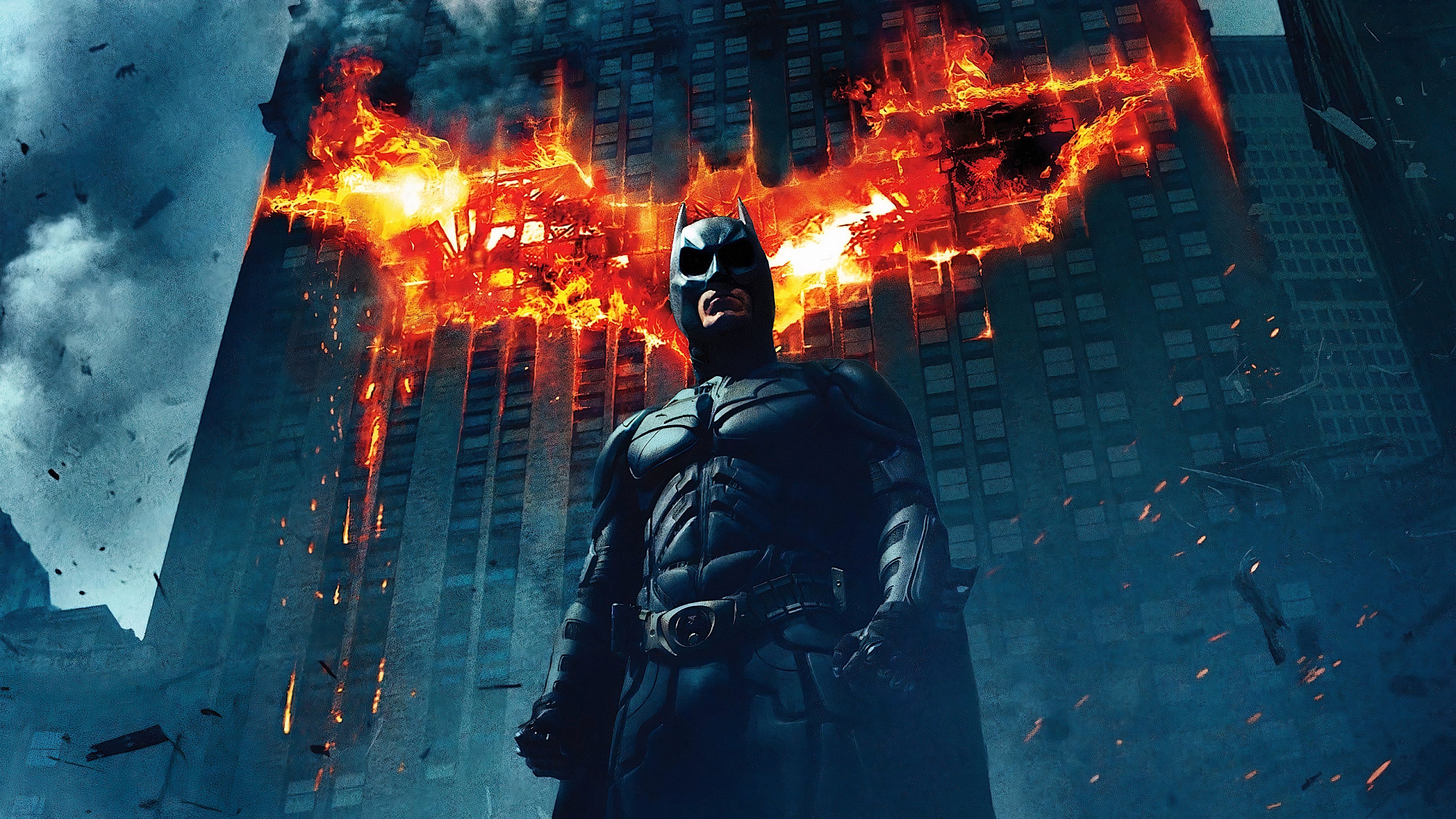
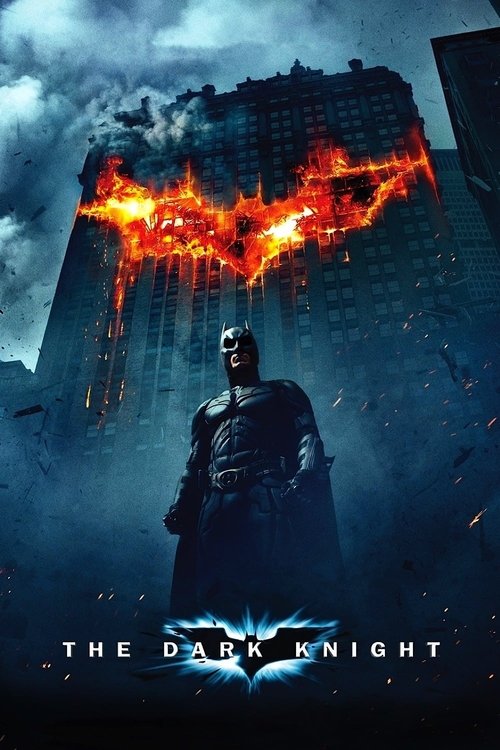
The Dark Knight
Batman raises the stakes in his war on crime. With the help of Lt. Jim Gordon and District Attorney Harvey Dent, Batman sets out to dismantle the remaining criminal organizations that plague the streets. The partnership proves to be effective, but they soon find themselves prey to a reign of chaos unleashed by a rising criminal mastermind known to the terrified citizens of Gotham as the Joker.




Where to watch


DORAMAQUEST.COM Review
Christopher Nolan’s “The Dark Knight” isn't merely a superhero film; it’s a modern Greek tragedy cloaked in the grim fabric of Gotham. What elevates this beyond typical comic book fare is Nolan’s audacious commitment to exploring the philosophical underpinnings of chaos versus order, a struggle personified with chilling precision. The film’s narrative isn't a linear quest for justice but a spiraling descent into moral ambiguity, where heroism itself becomes a fragile, often compromised, ideal.
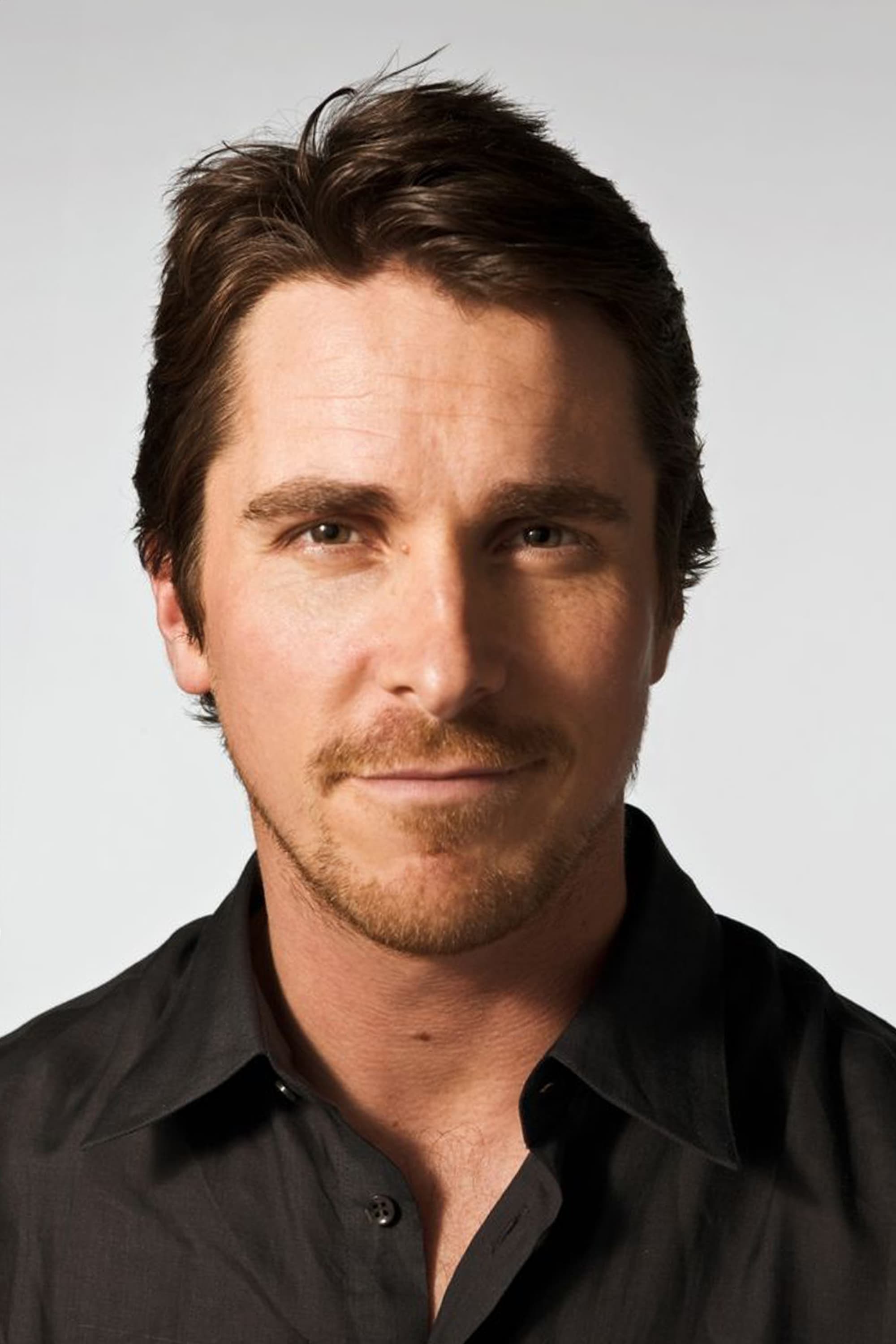
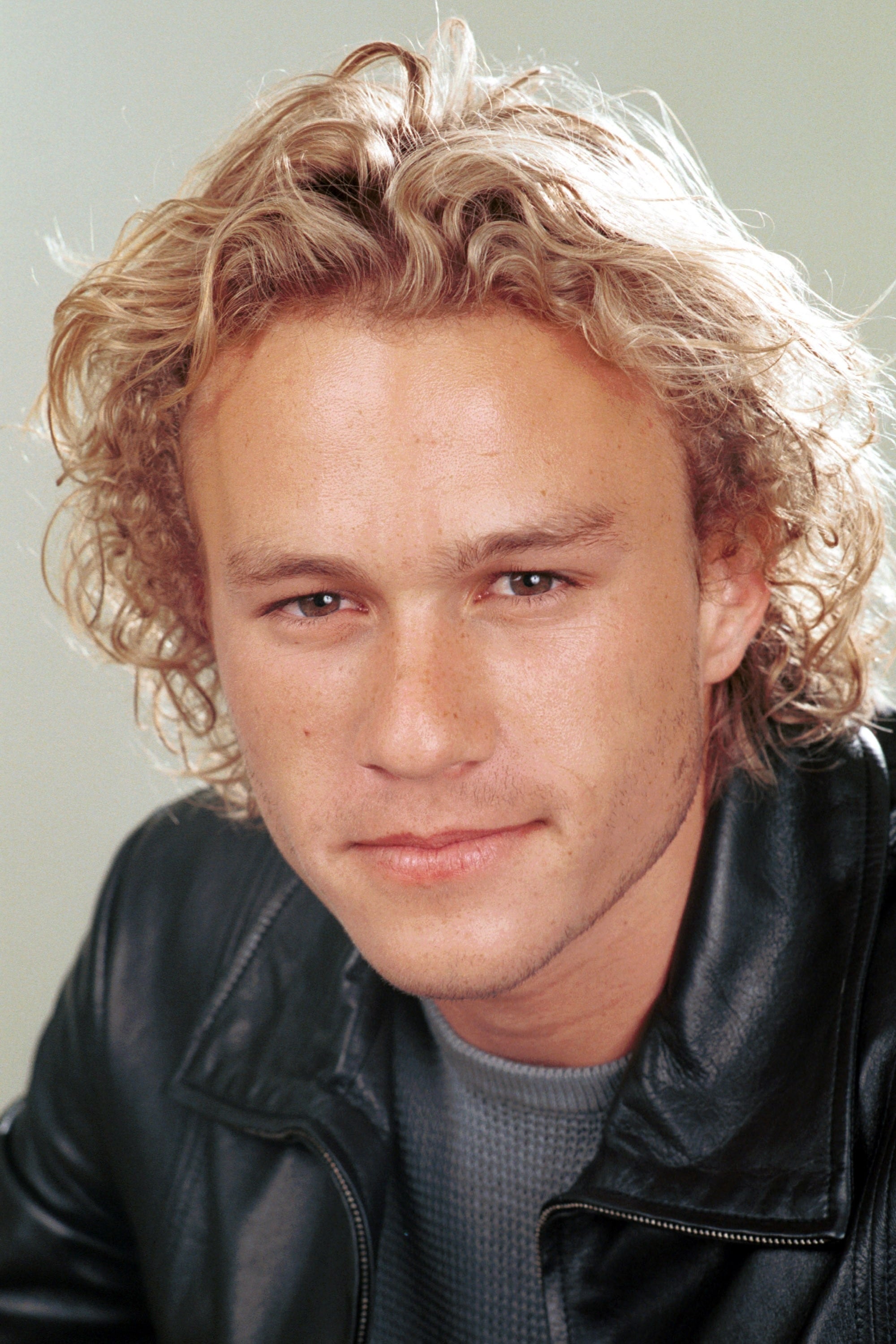
Nolan’s direction here is a masterclass in controlled pandemonium. He orchestrates complex set pieces with a visceral realism, avoiding the weightless spectacle that often plagues action cinema. The cinematography, particularly in the cityscapes, paints Gotham not as a backdrop but as a character – a sprawling, decaying organism perpetually on the brink. Yet, it’s the screenplay’s unflinching gaze into the human psyche that truly resonates. It dares to ask if society’s institutions are strong enough to withstand an enemy who thrives on their destruction, epitomized by Heath Ledger’s Joker. Ledger’s performance is legendary for good reason; he doesn't just play a villain, he embodies an ideology of nihilism, a force of nature that exposes the rot beneath Gotham’s veneer. His improvisational flourishes, like the iconic hospital explosion, lend an unsettling authenticity that few scripted moments achieve. Christian Bale’s Batman, in contrast, feels more burdened, a man stretched thin between his moral code and the city’s desperate need for a symbol, however flawed.
However, the film isn't without its minor stumbles. While the core trio shines, some supporting characters, like Maggie Gyllenhaal’s Rachel Dawes, occasionally feel less developed, serving more as narrative catalysts than fully fleshed-out individuals. Her emotional arc, while crucial, sometimes feels rushed amidst the grander philosophical battles. Despite this, "The Dark Knight" remains a towering achievement, a film that doesn't just entertain but provokes, leaving a lingering impression of the fine line between civilization and anarchy. It's a cinematic experience that demands reflection, cementing its place not just as a genre benchmark, but as a profound piece of art.