The Godfather
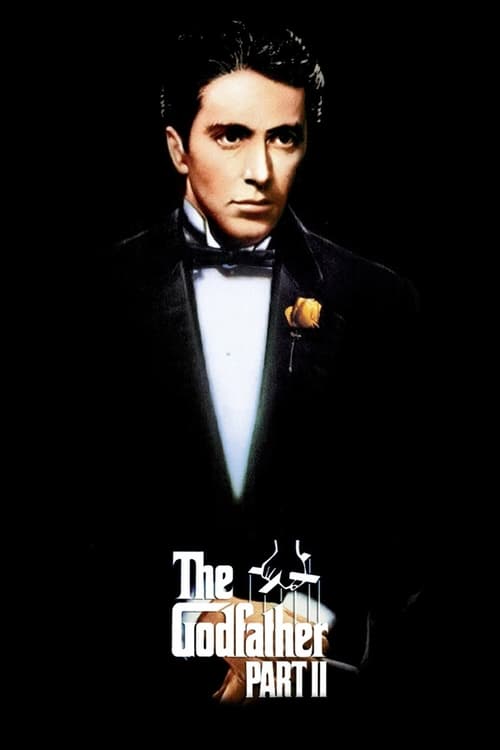
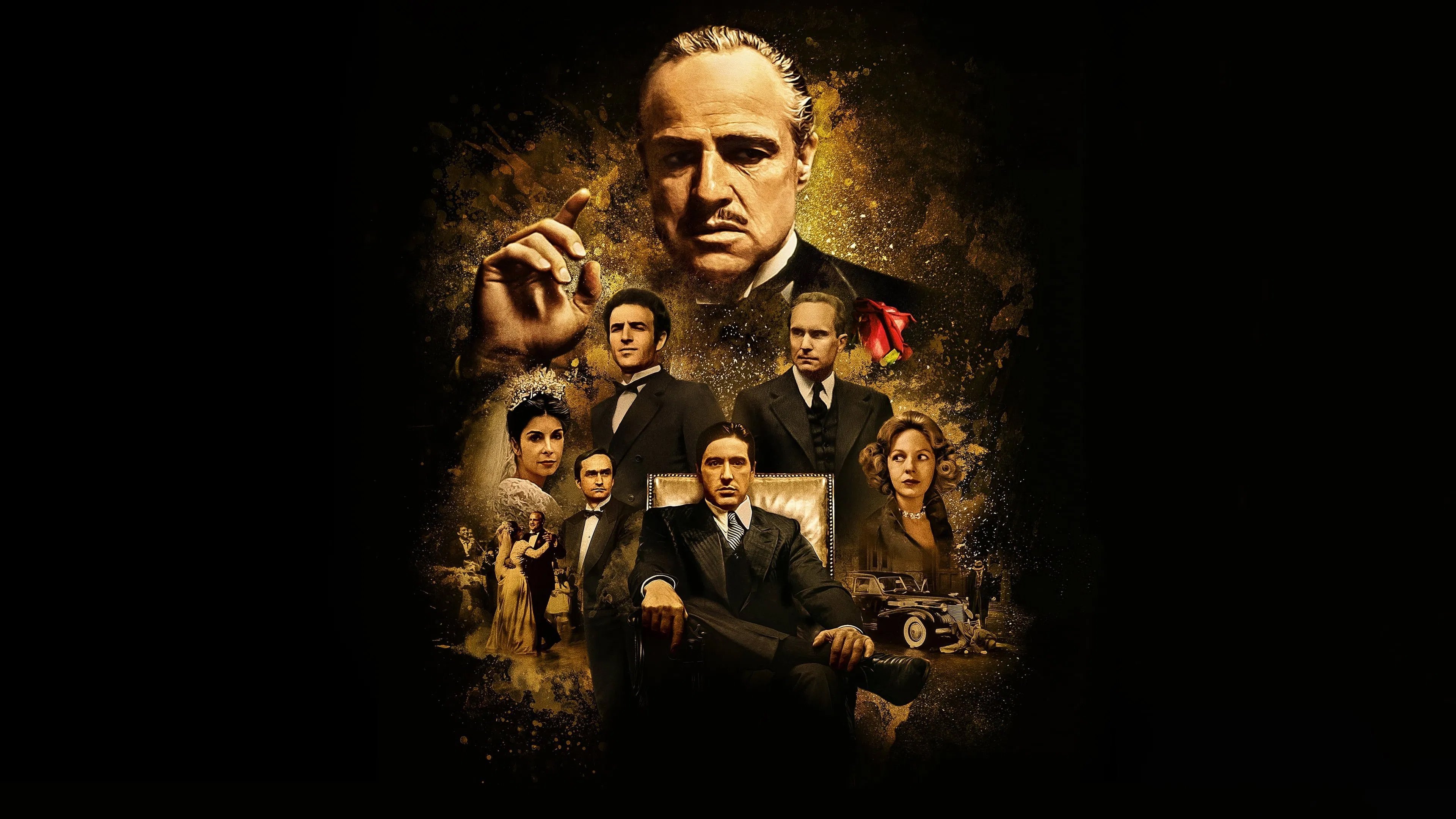
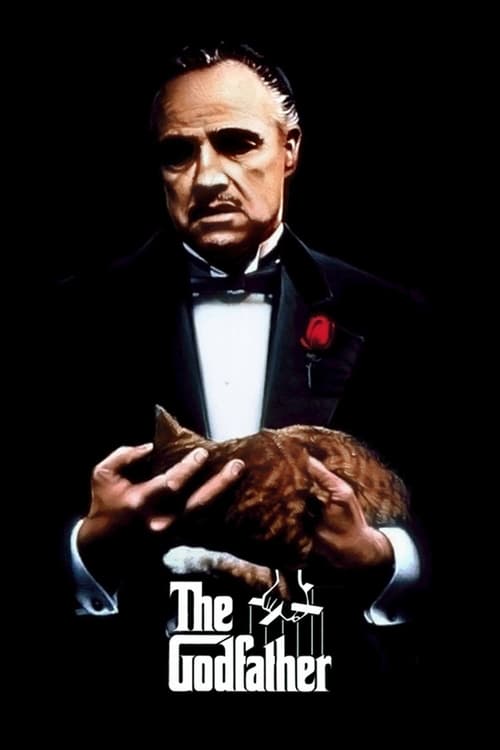
Spanning the years 1945 to 1955, a chronicle of the fictional Italian-American Corleone crime family. When organized crime family patriarch, Vito Corleone barely survives an attempt on his life, his youngest son, Michael steps in to take care of the would-be killers, launching a campaign of bloody revenge.




Where to watch


DORAMAQUEST.COM Review
To speak of Francis Ford Coppola's *The Godfather* as merely a "crime drama" feels akin to calling the Sistine Chapel a "painted ceiling." This is cinema as operatic tragedy, a brutal and tender epic that dissects the American dream through the lens of a family irrevocably stained by its pursuit. From its opening frames, where the muted tones and controlled chiaroscuro of Gordon Willis’s cinematography shroud the Corleone compound in a perpetual twilight, we are not just observers, but complicit in a world where loyalty is currency and violence, a sacrament.
Coppola’s direction is a masterclass in controlled chaos. He orchestrates a sprawling narrative, spanning a decade, with an almost balletic precision. The famous wedding sequence, a vibrant yet subtly menacing overture, seamlessly interweaves joyous celebration with grim business, establishing the dual nature of the Corleone empire. The screenplay, adapted from Mario Puzo’s novel, transcends simple plot mechanics; it’s a profound study of power, succession, and the insidious corruption of the soul. We witness Michael Corleone’s chilling metamorphosis, from reluctant outsider to ruthless patriarch, a journey handled with a devastating psychological acuity that few films achieve. Al Pacino’s performance here is a slow burn of quiet intensity, a coiled viper waiting to strike, perfectly contrasting Marlon Brando’s iconic, gravel-voiced Vito, whose paternal warmth is as terrifying as his cold-blooded ruthlessness.
Yet, for all its undeniable brilliance, *The Godfather* isn't without its narrative limitations. While the male characters are afforded rich, complex arcs, the women, particularly Diane Keaton’s Kay, often feel underwritten, relegated to the periphery as bewildered witnesses or emotional anchors. Their agency is largely defined by their relationships to the men, a reflection of the era perhaps, but a missed opportunity for deeper character exploration within such a meticulously crafted world. This is a minor discord in an otherwise symphonic achievement.
Ultimately, *The Godfather* endures not just for its iconic lines or shocking violence, but for its profound examination of family, morality, and the cost of power. It's a film that demands to be studied, to be felt, and to be grappled with long after the credits roll. It is, unequivocally, a cornerstone of cinematic art.