

Where to watch


DORAMAQUEST.COM Review
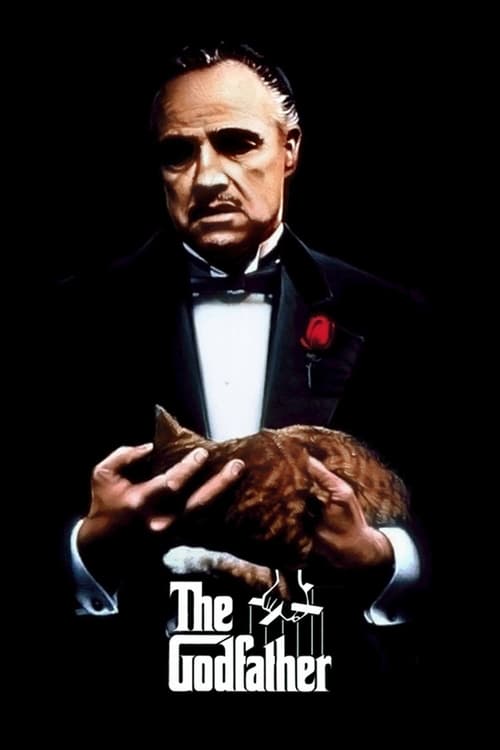
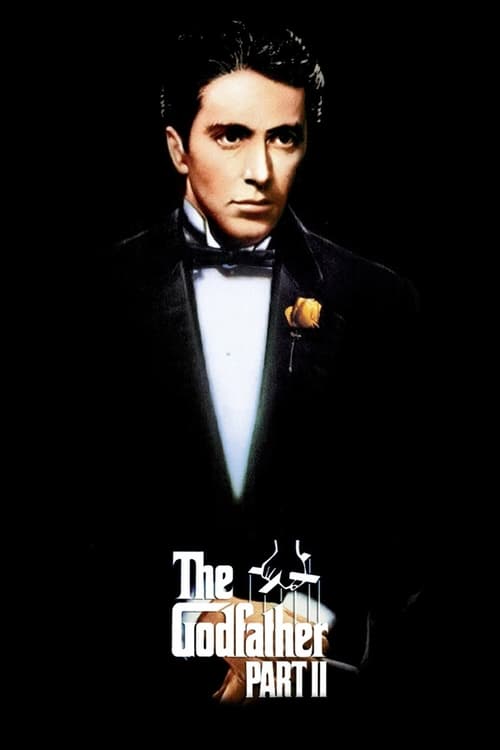
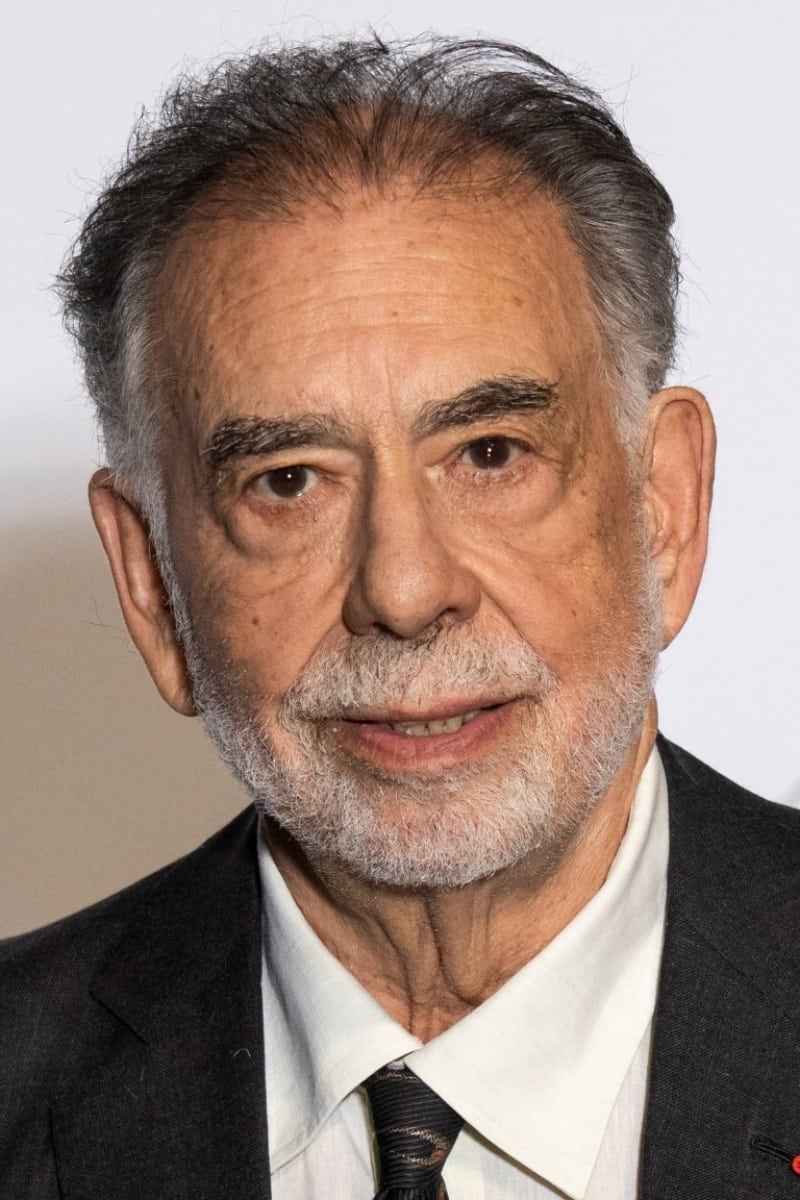
"The Godfather Part II" isn't merely a sequel; it's a defiant expansion, a cinematic diptych that dares to dissect the corrosive nature of power with an unflinching gaze. Coppola, with the audacious vision of an artist rather than a mere storyteller, doesn't just pick up where the first left off; he excavates the very foundations of the Corleone empire, revealing the rot beneath the veneer of respectability.
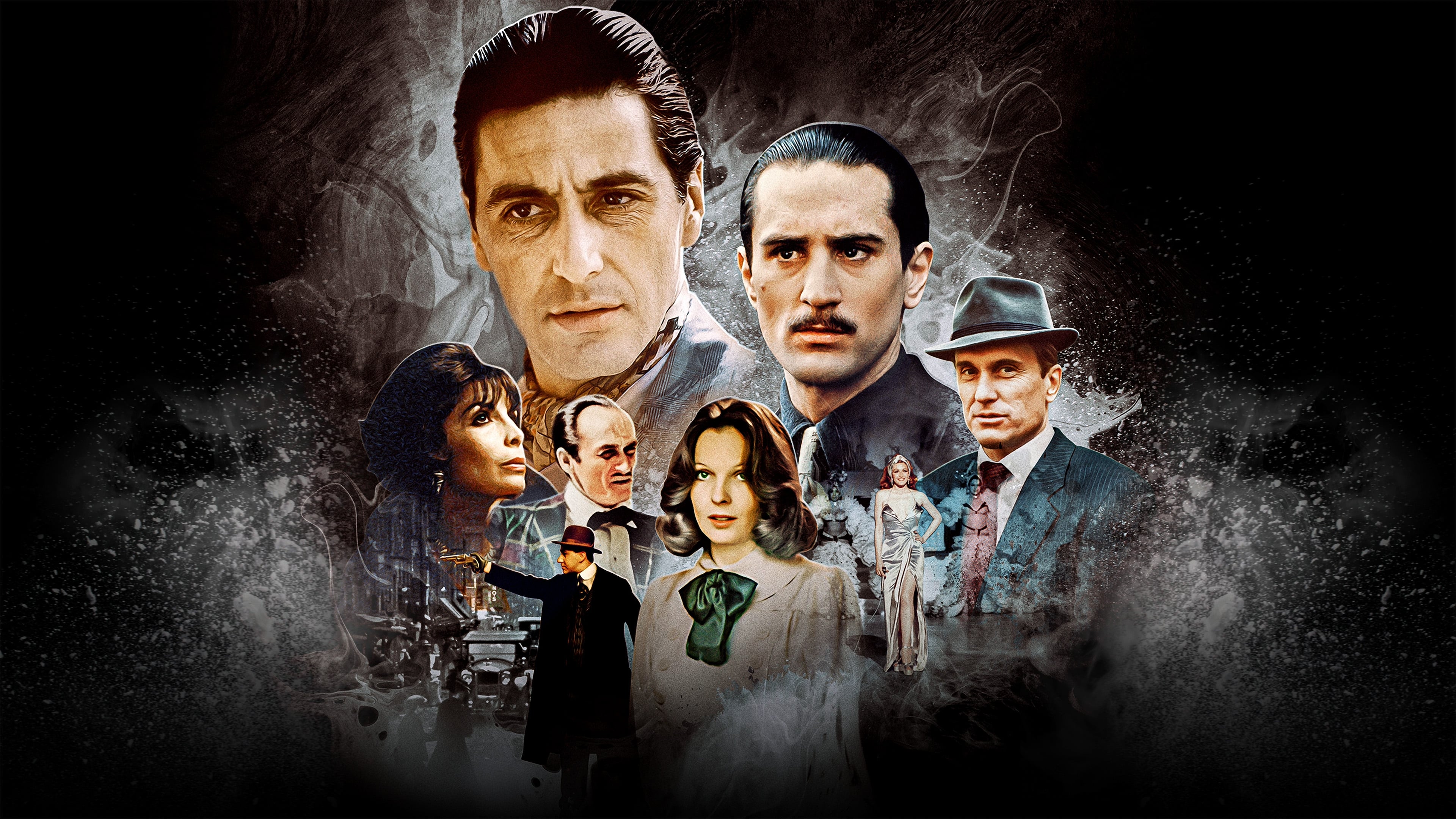
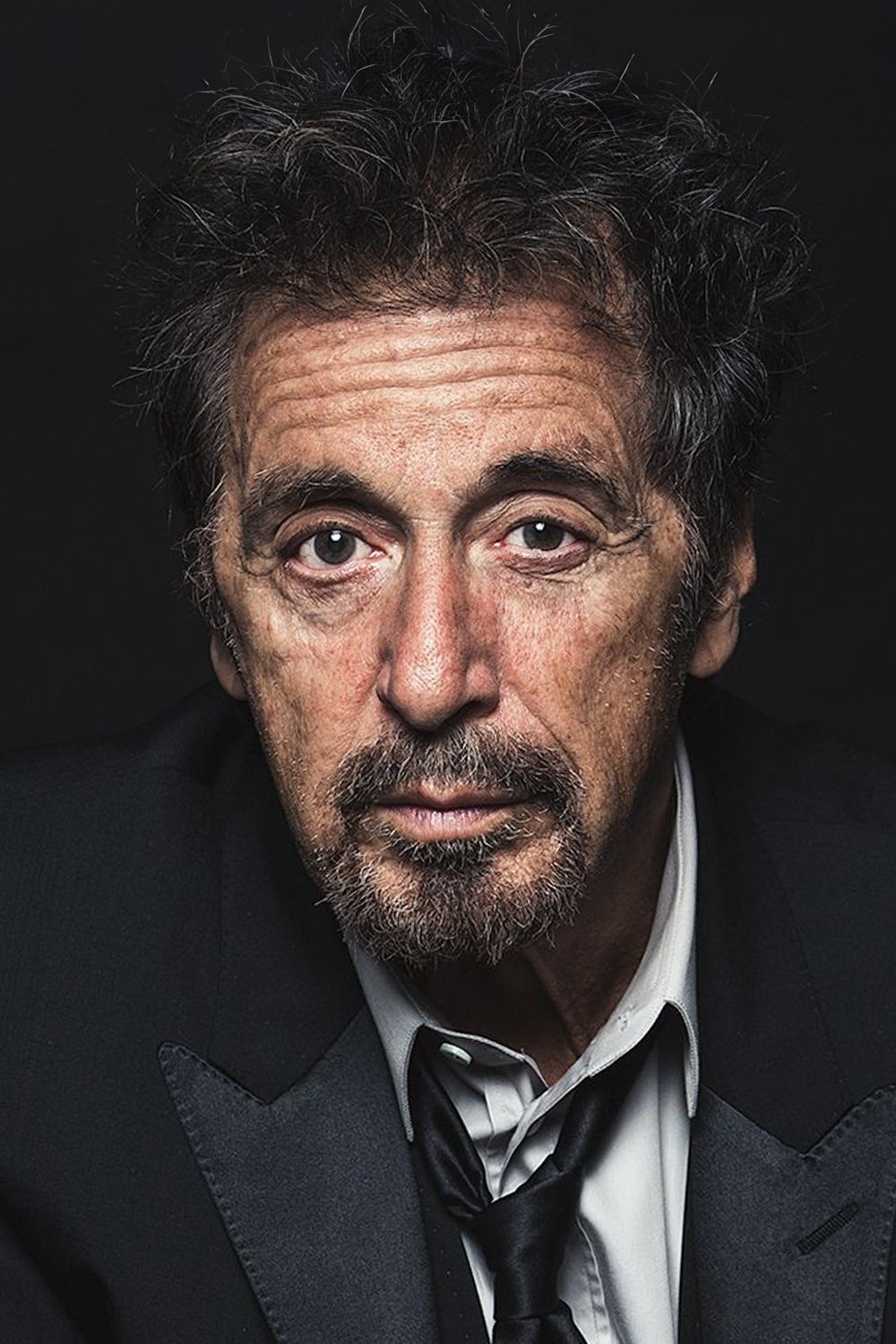
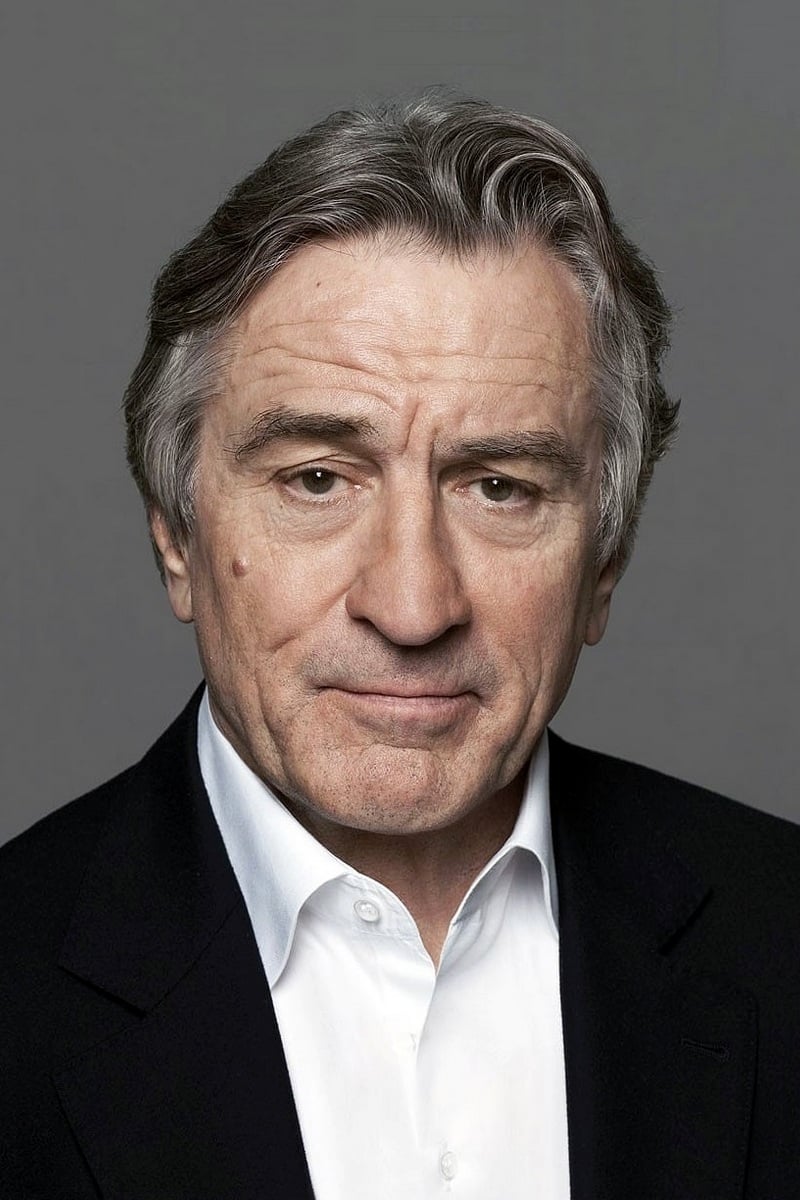
The film's masterstroke lies in its dual narrative – the ascendance of young Vito Corleone, portrayed with a quiet, simmering intensity by Robert De Niro, juxtaposed against Michael’s desperate grip on power in the 1950s. This isn't a clever structural device for its own sake; it’s a profound commentary on legacy and the cyclical nature of violence. We witness Vito’s pragmatic brutality, born of necessity, morph into Michael’s cold, calculated ruthlessness, a choice born of paranoia. Al Pacino’s performance as Michael is a chilling descent into isolation. His eyes, once shadowed with a flicker of humanity, become utterly devoid of warmth, reflecting the moral wasteland his ambition has created. The infamous "I know it was you, Fredo" scene isn't just dramatic; it's the final, agonizing severing of a soul.
Pacing, at 202 minutes, could be seen as a challenge, yet Coppola wields it like a sculptor's chisel. The deliberate rhythm allows the weight of each decision, each betrayal, to settle. Gordon Willis’s cinematography, with its chiaroscuro lighting, paints a world of perpetual twilight, where even the sun-drenched landscapes of Cuba feel tainted by impending doom. The film's only discernible flaw, if one must be found, might be the occasional reliance on exposition to bridge the two timelines, sometimes feeling less organic than the seamless flow of the first installment. But this is a minor quibble in a film that otherwise operates on such a grand, tragic scale.
Ultimately, "The Godfather Part II" transcends genre. It's a Shakespearean tragedy cloaked in a crime drama, a brutal examination of the American dream curdled into a nightmare. It demands intellectual engagement, not just passive consumption, and rewards it with an enduring, unsettling masterpiece.