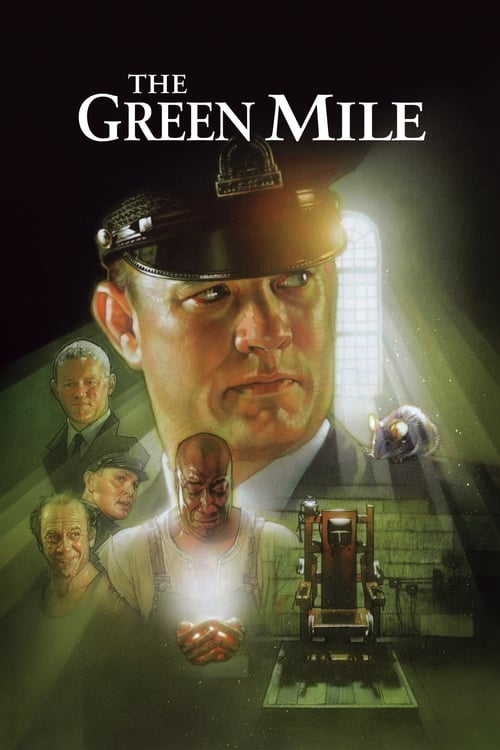
The Green Mile
A supernatural tale set on death row in a Southern prison, where gentle giant John Coffey possesses the mysterious power to heal people’s ailments. When the cell block’s head guard, Paul Edgecomb, recognizes Coffey’s miraculous gift, he tries desperately to help stave off the condemned man’s execution.









Where to watch


DORAMAQUEST.COM Review
Frank Darabont’s "The Green Mile," a sprawling adaptation of Stephen King’s serialized novel, often gets lauded for its emotional heft, and rightly so. But beneath the surface of its tear-jerking narrative lies a fascinating, if sometimes flawed, exploration of justice, faith, and the burden of empathy. This isn't merely a prison drama; it's a fable dressed in Southern Gothic attire, audacious in its supernatural premise.
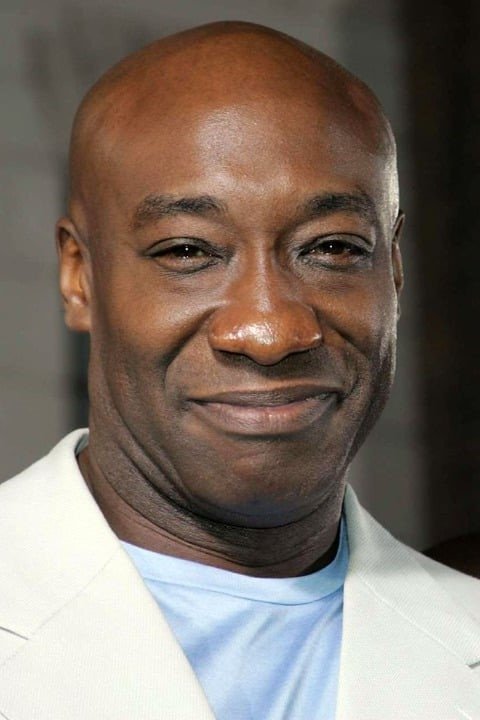
Darabont’s direction here is a masterclass in pacing, meticulously building tension and character intimacy across its almost three-hour runtime. He doesn't rush, allowing the hushed conversations in the death row block to resonate, each click of the cell door a punctuation mark in a doomed symphony. The cinematography, though often bathed in a sepia-toned nostalgia, occasionally slips into a more ethereal glow, particularly when John Coffey – a truly transcendent performance by Michael Clarke Duncan – performs his miraculous acts. Duncan’s portrayal isn't just about size; it's about a profound innocence juxtaposed against profound suffering, a gentle giant whose very existence is a critique of the system meant to condemn him. Tom Hanks, as Paul Edgecomb, anchors the film with his characteristic gravitas, embodying the moral dilemma of a man torn between duty and a burgeoning sense of divine injustice.
However, the film isn't without its narrative missteps. While the fantastical elements are central, the portrayal of the "evil" characters, particularly Percy Wetmore (Doug Hutchison), veers dangerously close to caricature. His villainy is so absolute, so devoid of nuance, that it occasionally strains credulity, serving more as a plot device than a fully fleshed-out human antagonist. This stark black-and-white morality, while perhaps intentional for a fable, can feel a touch simplistic in a story attempting to grapple with such complex themes. The film’s unwavering sentimentality, too, while powerful, sometimes feels manipulative, leaning heavily on the audience's emotional response rather than always earning it through subtle character development.
Ultimately, "The Green Mile" is a powerful cinematic experience, a testament to the enduring human spirit even in the face of inevitable tragedy. It’s a film that asks us to look beyond appearances, to question our definitions of guilt and innocence, and to confront the uncomfortable truths about the systems we uphold. Despite its occasional narrative broad strokes, its artistic merit lies in its ability to provoke profound reflection, leaving an indelible mark long after the credits roll.