The Shawshank Redemption
Imprisoned in the 1940s for the double murder of his wife and her lover, upstanding banker Andy Dufresne begins a new life at the Shawshank prison, where he puts his accounting skills to work for an amoral warden. During his long stretch in prison, Dufresne comes to be admired by the other inmates — including an older prisoner named Red — for his integrity and unquenchable sense of hope.











Where to watch


DORAMAQUEST.COM Review
"The Shawshank Redemption" endures as a cinematic touchstone, and it's not difficult to see why. Frank Darabont's direction is a masterclass in patient storytelling, allowing the grim reality of Shawshank to seep into the viewer's bones before offering the faintest glimmer of hope. The narrative, adapted from Stephen King, is deceptively simple: a man wrongly imprisoned finds a way out. But Darabont elevates it, transforming a tale of physical escape into a profound meditation on the resilience of the human spirit.
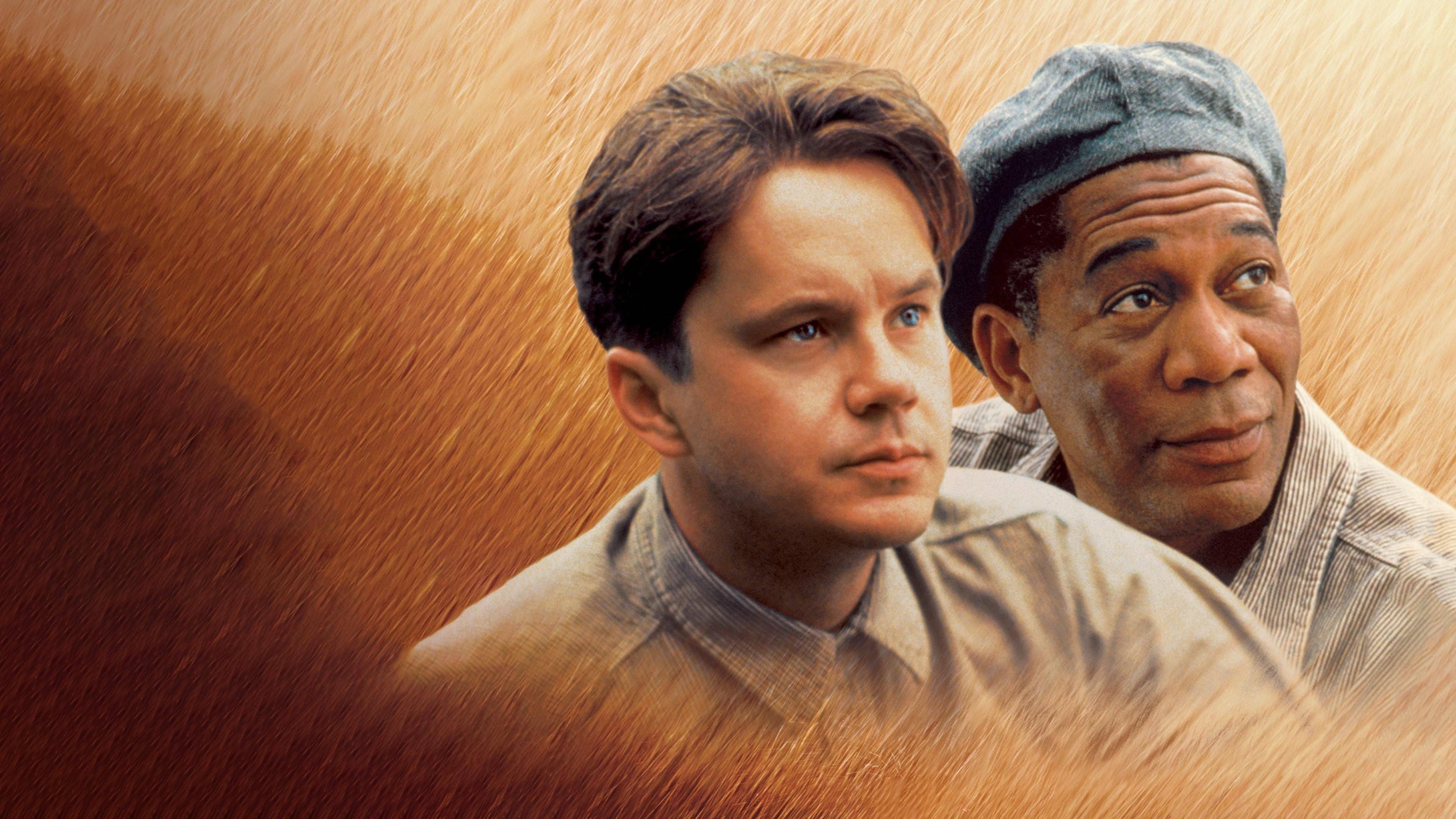
Tim Robbins, as Andy Dufresne, delivers a performance of quiet intensity. His transformation from a shell-shocked banker to a symbol of unwavering defiance is portrayed with a subtle grace that avoids histrionics. We witness his integrity not through grand speeches, but through his methodical actions, his unyielding belief in the power of knowledge and art. Morgan Freeman's Red, the film's narrator, is the soulful anchor, his voice a balm over the harshness of prison life. His performance isn't just about delivering lines; it's about conveying a lifetime of regret, observation, and ultimately, rediscovered hope.
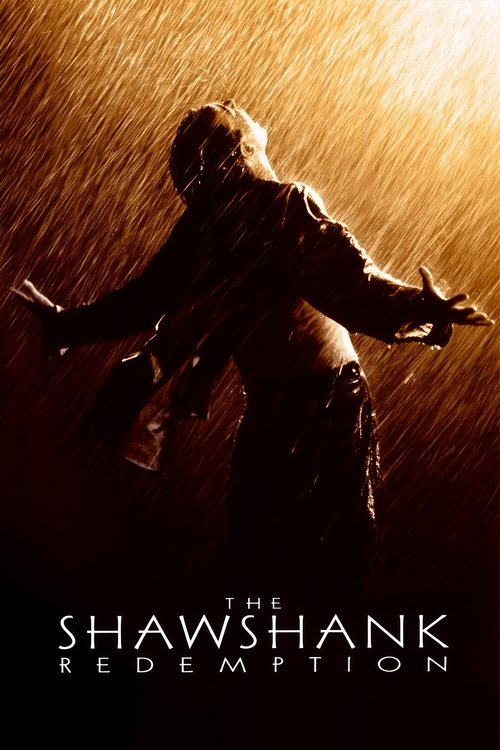
Cinematography, often overlooked in character-driven dramas, here plays a crucial role. The stark, imposing architecture of Shawshank is captured with an oppressive weight, emphasizing the psychological toll of incarceration. Yet, Darabont also employs moments of breathtaking beauty – the defiant opera scene, the rain-soaked escape – that visually underscore Andy's internal liberation.
However, the film isn't without its narrative conveniences. The moral black and white of the characters, particularly the cartoonishly evil Warden Norton and Captain Hadley, can feel a touch simplistic. While effective for thematic clarity, it occasionally sacrifices the nuanced grays often present in real-world corruption. The swiftness with which Andy's meticulous plans fall into place, while satisfying, leans into a certain narrative idealism that might strain credulity for some.
Ultimately, "The Shawshank Redemption" transcends its genre. It’s not merely a prison drama; it’s a powerful allegory for finding freedom within confinement, for the unwavering belief in a better tomorrow. Its enduring appeal lies in its ability to tap into a universal yearning for justice and the triumph of hope, even if the path there is paved with a few too many perfectly timed coincidences. It’s a film that reminds us that some cages are built, and some are imagined, and the true escape often begins within.