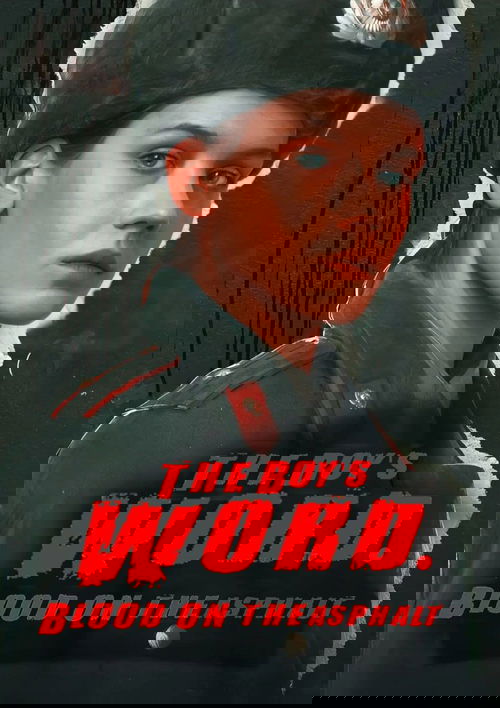
The Boy’s Word: Blood on the Asphalt
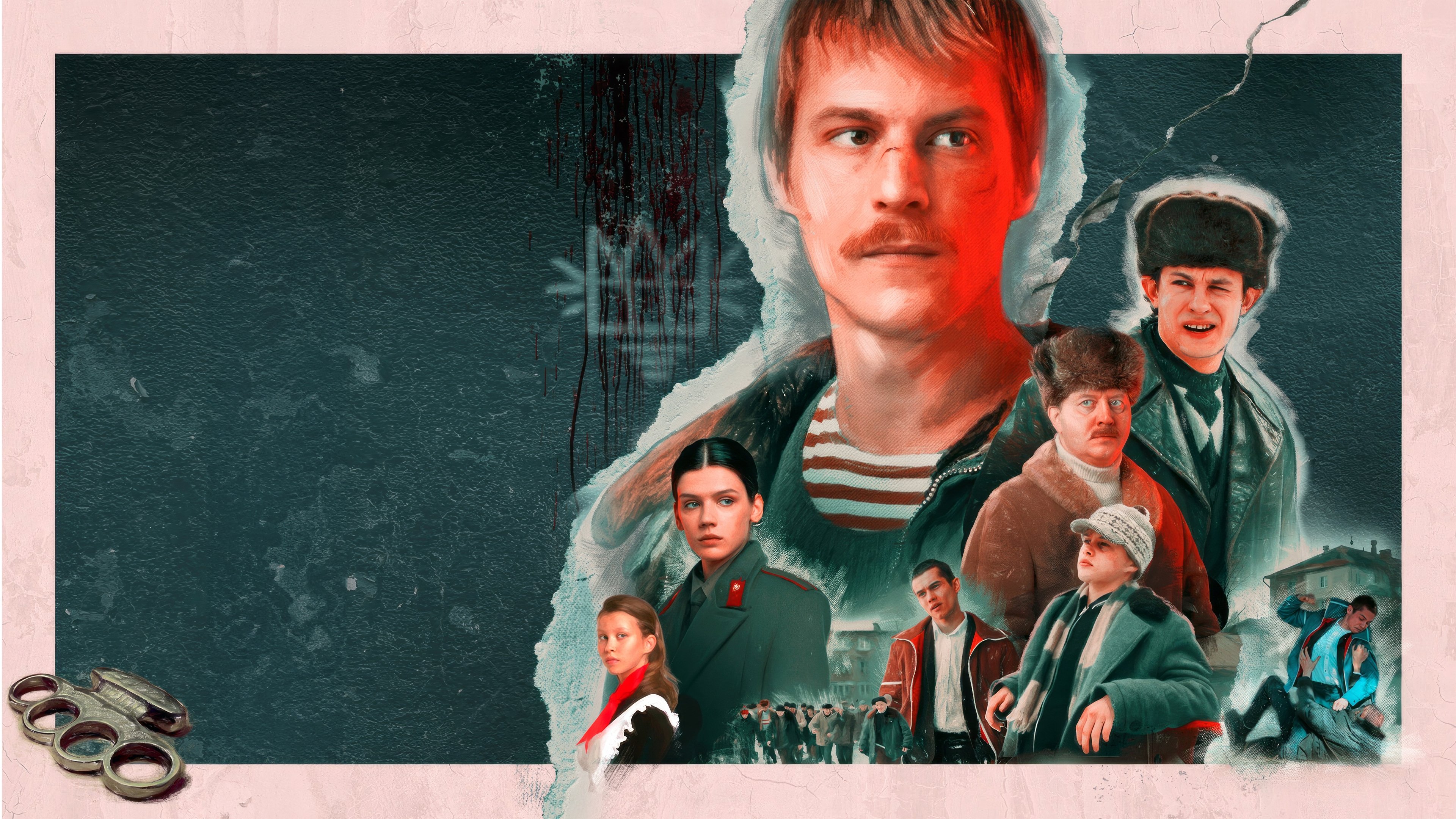
In the late 1980s, when “perestroika” was taking place in the USSR and the era of the Soviet Union was about to collapse, life became unstable and very different. The 1980s brought not only freedom, but also waves of crime on the city streets. While some young people began to ‘grow up’ on the streets, others found it difficult to find their place in this unpredictable reality. Andrey, lives with his mother and five-year-old sister. He studies at a music school and often encounters street teenagers who harass him. To protect himself, Andrey makes friends with one of these teenagers, Marat, who introduces him to gang life. Youth groups fight for every piece of territory; they defend their right to live the life, even breaking laws and promises. The only thing that matters to them is the vows they make to their gang members-brothers, with whom they confront the violence and fears of the adult world.
Episodes

Episode 1
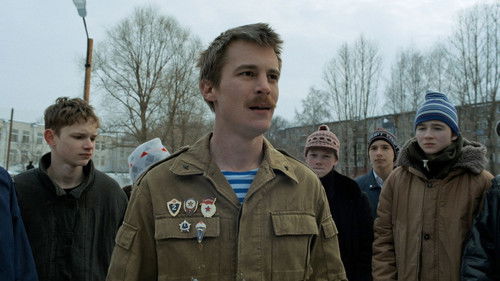
A step outside. Quiet 14-year-old Andrei meets kids who are far from his circle. With them behind him, no school…
Episode 2
A completely different disco. Marat's brother returns from military service. The world has changed, and Vova's plans extend far beyond…

Episode 3
One fist is a threat, but ten is trouble. Someone has to answer for the fate of one of the…

Episode 4
Just like in the movies. Marat and his friends rescue Vova from the hospital and buy themselves some time to…

Episode 5
Honest business. Andrei's new idea attracts the attention of the streets, which see everything. But even under their strict supervision,…

Episode 6
The streets are unforgiving. Vova, Marat, and Zima conceal the details of their meeting with the Dombytovs, as the consequences…
Episode 7
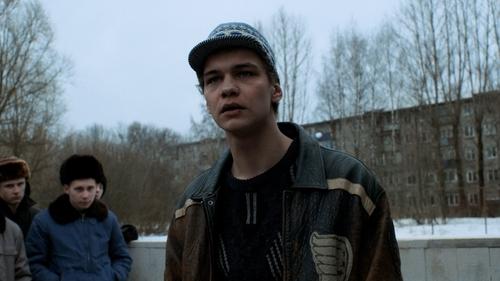
Andrei is looking for ways to protect his family. Punishment is already hot on Vova's heels, but there is still…
Episode 8
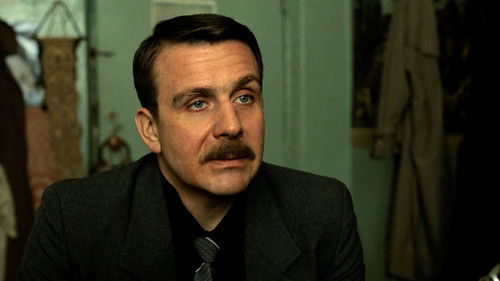
Some gave up, some gave in. To move forward, you have to leave the streets behind. But once you give…









DORAMAQUEST.COM Review
“The Boy’s Word: Blood on the Asphalt” arrives not as mere television, but as a visceral excavation of a nation’s fractured soul at the precipice of change. This 2023 Russian drama is a stark, unblinking gaze into the late 1980s USSR, where perestroika’s promise curdled into pervasive street violence. It’s a series that understands art’s capacity to confront uncomfortable truths, rather than merely entertain.
The direction here is a masterclass in controlled chaos. Each frame, often bathed in a desaturated palette that mirrors the era’s bleakness, feels deliberate, never gratuitous. The camera lingers on the faces of these young men – Andrey, Marat, and their cohort – capturing the precarious balance between their burgeoning self-awareness and the brutal tribalism that defines their existence. There’s a particular artistry in how it portrays the shift in Andrey’s demeanor, from hesitant music student to hardened gang member; the subtle hardening of his eyes, the subtle shift in his posture, are meticulously charted. This isn't cheap melodrama; it's a character study unfolding in real-time.
The screenplay, while often brilliant in its depiction of loyalty and betrayal, occasionally falters in its pacing. Some narrative threads feel rushed, perhaps a consequence of its eight-episode structure attempting to encompass such a vast societal upheaval. Yet, when it hits, it hits hard. The performances are uniformly gripping. Leon Kemstach’s Andrey is a revelation, embodying the tragic loss of innocence with a quiet intensity. Ivan Yankovsky and Ruzil Minekaev as the older, more entrenched gang members provide formidable anchors, their charisma laced with a chilling amorality. They don't just play characters; they inhabit the very spirit of that desperate era.
However, the series sometimes leans into a romanticization of gang life that, while perhaps reflecting the characters’ own skewed perceptions, risks blurring the line between critique and glorification. This is a delicate tightrope walk, and while “The Boy’s Word” largely succeeds, there are moments where the brutal realities could have been underscored with even greater moral clarity. Despite this, its unflinching portrayal of how societal breakdown breeds a terrifying, pseudo-familial order among the youth is profoundly resonant. It’s a challenging watch, but an essential one, reminding us that cinema’s greatest power lies in its ability to illuminate the darkest corners of human experience.